


The dental implant is the best solution for restoring a missing tooth or replacing a tooth that can no longer be saved.

A dental implant is a medical device used to replace a missing tooth. It consists of a metal screw, usually made of titanium, which is inserted into the jawbone and serves as support for a dental crown, a dental bridge, or a denture.
In the first phase, surgery is needed to place the dental implant inside the jawbone. The integration of the implant into the body occurs through a process called osseointegration, through which the dental implant forms a strong bond with the jawbone. Osseointegration takes a period of between 3 and 6 months.
After the healing period, a prosthetic device is attached to the bone implant. This device is called an abutment or a transfer cap. The abutments will support the designed prosthetic work (crown, bridge, denture).
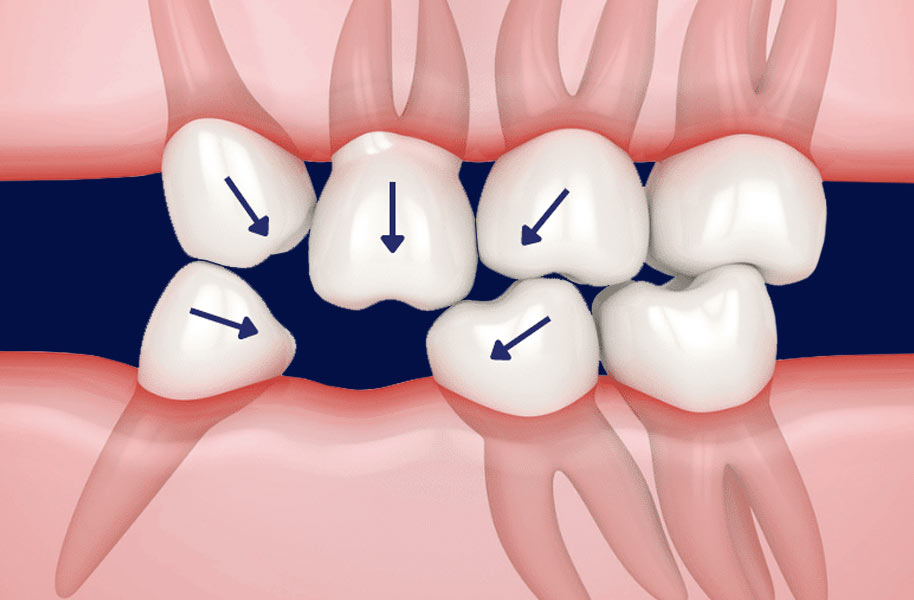
Following tooth extractions (tooth loss), several areas characterized by the absence of dental units will form in the mouth. These are called edentulous spaces. If they are not restored in time through dental work, irreversible changes with a negative effect on oral health will occur around these spaces.
The following changes can occur following a tooth extraction:
These changes lead to serious impairment of the functions of the dental apparatus: chewing, aesthetics and speech. Moreover, teeth that have migrated may develop periodontal conditions or cervical caries. The space needed to make the dental restoration may shrink or disappear entirely. Any prosthetic restoration (including implant-supported work) needs sufficient space so that the artificial teeth can be properly shaped.
After a certain period of time, situations may arise that require complicated (and often extremely expensive) preliminary treatments, or the making of compromise dental restorations with uncertain chewing and aesthetic qualities. There are many cases in which dental restorations can no longer be made due to lack of space.
Once the edentulous gap is restored through a dental restoration, the migration of the teeth stops.
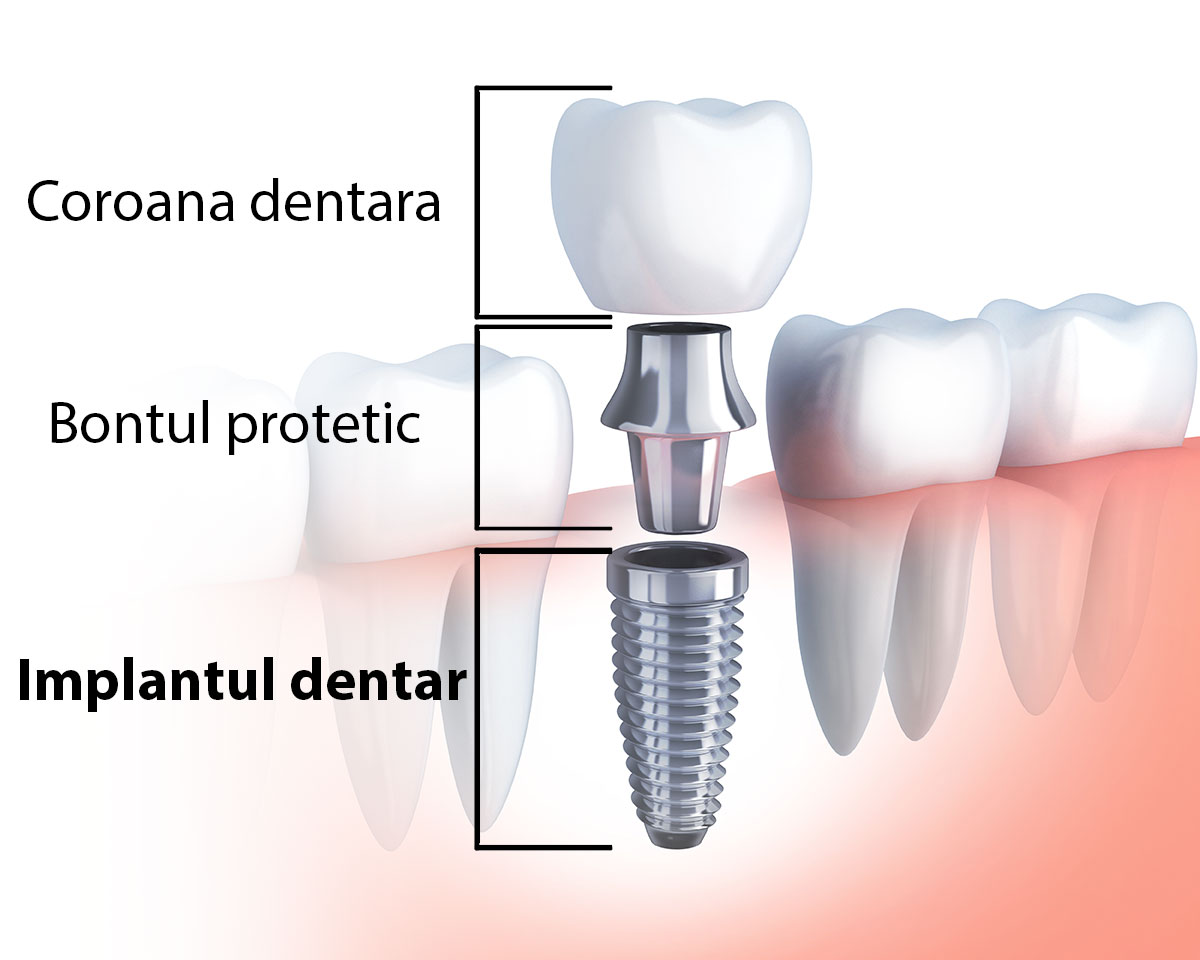
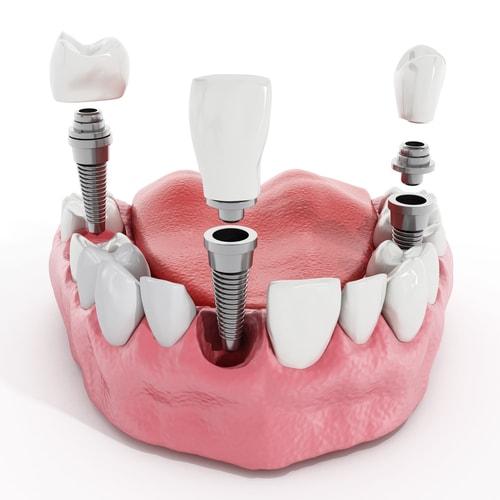
Dental implants offer a permanent solution for replacing missing teeth. They provide superior stability compared to removable dentures, maintaining the natural function of the teeth and preventing bone loss in the jaw.
The process can vary depending on the case, but usually takes between 3 and 6 months. This includes the time needed for the implant to integrate with the bone (osseointegration) and the subsequent placement of the dental crown.
The procedure initially involves the surgical insertion of the implant into the jawbone, followed by a healing period. After the implant fully integrates, a crown, bridge or denture is attached to it.
Most patients report minimal discomfort during the procedure, as it is performed under local anesthesia. After the procedure, swelling and moderate discomfort may occur, which can be managed with regular painkillers.
Risks include infection at the implant site, damage to neighboring teeth, nerve damage, sinus problems, and failure of osseointegration. However, these risks are rare and most procedures are successful.
Dental implants must be cared for just like natural teeth: brushing twice a day, using dental floss, and regular visits to the dentist. It is important to avoid smoking and hard foods that could damage the implant.