


Professional teeth cleaning is a dental procedure that removes tartar (calculus) and bacterial plaque from the surface of the teeth. Tartar is a hard deposit that forms when bacterial plaque is not effectively removed through brushing and flossing, and it mineralizes over time. Professional cleaning helps prevent gum conditions such as gingivitis and periodontitis, and helps maintain oral health.
While bacterial plaque (food debris) and staining can be removed through proper brushing, tartar (which is mineralized bacterial plaque) can only be removed by professional means. In addition to improper hygiene, factors such as the amount of saliva or the mineral content of the food consumed also contribute to tartar formation.
Consuming a large volume of liquids leads to the production of a greater amount of saliva, which helps naturally remove food particles temporarily deposited on the teeth. Some foods may contain a higher amount of mineral substances that deposit more easily on the teeth. However, the most common cause of tartar formation is improper hygiene, that is, incorrect brushing technique.
Once deposited on the tooth surface, tartar provides the ideal environment for the growth of bacteria responsible for gum disease. Moreover, teeth covered with tartar can no longer be cleaned properly and thus become prone to cavities. Tartar builds up on natural teeth as well as on fillings, dental bridges, dentures, or orthodontic appliances, inflames the gums, and can cause gingivitis and periodontitis.
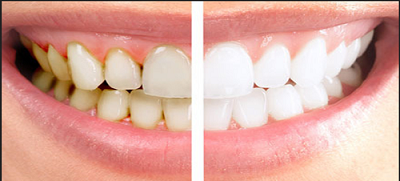
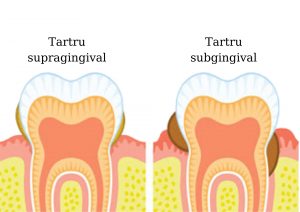
Dental tartar can be located in several areas of the teeth and gums. Depending on where it forms, two main types of tartar are distinguished:
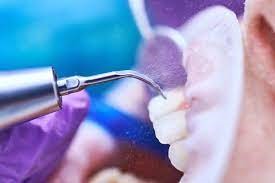
The dentist uses an ultrasonic device to remove the hardest deposits – tartar. This procedure is painless, but if there is enamel hypersensitivity, local anesthesia is used to prevent discomfort. Ultrasonic devices produce mechanical vibrations at a very high frequency; these vibrations break down tartar deposits, and the water jet accompanying these vibrations removes the debris left after breaking up the tartar deposits, and also has a soothing effect on the gums.
The result of the cleaning is a smooth surface that is easier to keep clean in the future.
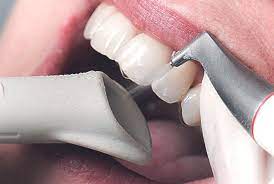
Air Flow is a dental procedure that cleans teeth of any stains. After Air Flow cleaning, a slight whitening and shine effect appears on the teeth. The procedure is performed using a device that sprays a special substance onto the surface of the teeth at high speed. It contains sodium carbonate crystals, which clean the tooth enamel of stains or other deposits that could not be removed through professional cleaning and polishing, and it has a pleasant fruity taste.
Air Flow does not affect tooth enamel and does not cause abrasion or tooth sensitivity. It is recommended for anyone who wants to benefit from a professional teeth cleaning. For patients wearing braces, this is sometimes the only method of removing plaque and stains. Dentists recommend Air Flow cleaning every 6 months, after professional cleaning and polishing have already been performed. Complete removal of tartar and stains from the teeth guarantees the prevention of tooth decay and the long-term preservation of dental health.
The third stage of teeth cleaning involves polishing the teeth. The dentist will polish the teeth using an electric brushing tool and toothpaste. After polishing the teeth, the doctor will also perform interdental cleaning to reach hard-to-access areas. The tooth polishing process at the end of professional cleaning involves using not only tools but also several types of pastes with different degrees of abrasiveness. Besides abrasive particles, polishing pastes contain elements involved in strengthening the teeth.
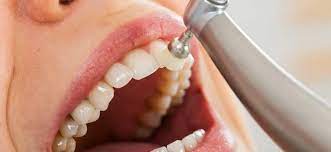
Professional teeth cleaning is necessary for everyone who wants to maintain the health of their own teeth.
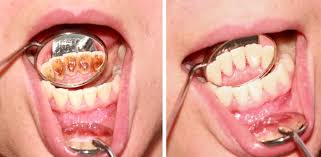
If you don't get regular professional teeth cleaning, tartar and bacterial plaque can build up on your teeth and below the gum line, which can lead to gum inflammation (gingivitis) and, in more severe cases, periodontitis (an infection that can affect the bone and lead to tooth loss). Professional cleaning is essential for preventing these conditions.
Professional teeth cleaning helps with:
Yes, professional cleaning is also important for those who have crowns, implants, or other dental restorations. Proper oral hygiene, including professional cleaning, helps protect the tissues around these restorations and prevent complications such as peri-implantitis (inflammation of the tissues around an implant).