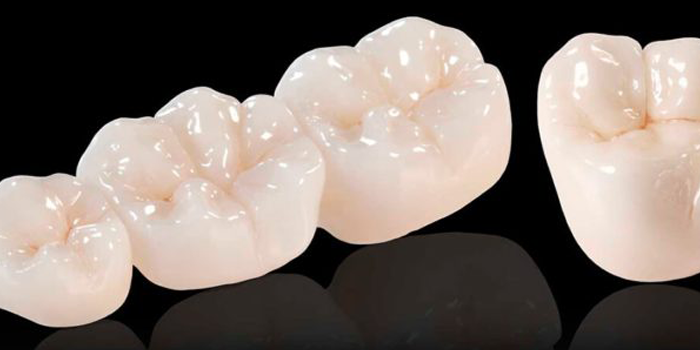


Dental prosthetics is a branch of dentistry that deals with the restoration and replacement of missing or damaged teeth through the use of prosthetic devices, such as crowns, bridges, veneers, dentures, and dental implants. The purpose of dental prosthetics is to restore chewing function, clear speech, and the aesthetic appearance of the smile, contributing to improving the patient’s quality of life.
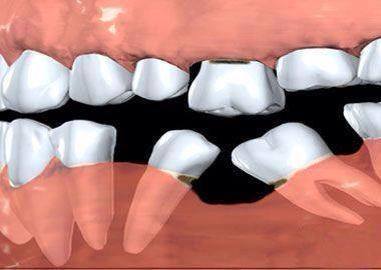
The loss of a single tooth can cause significant changes in the remaining teeth, jaw bones, musculature, and the temporomandibular joint. Throughout life, teeth shift to find stability through contact with neighboring teeth and with the antagonist teeth on the opposite arch. When a tooth is missing, the remaining teeth try to compensate for the gap created, tilting toward the edentulous area, and the antagonist tooth erupts into the free space. These positional changes of the remaining teeth can lead to:
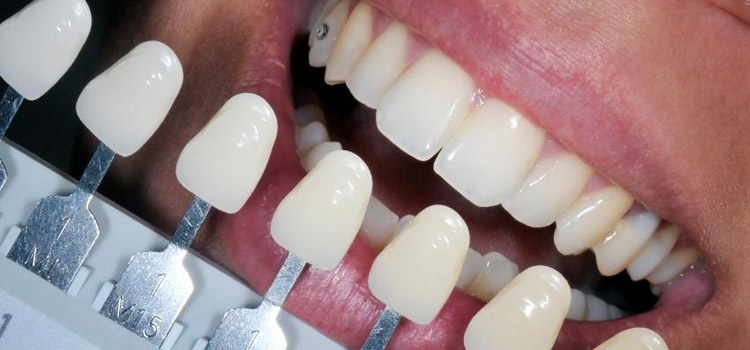
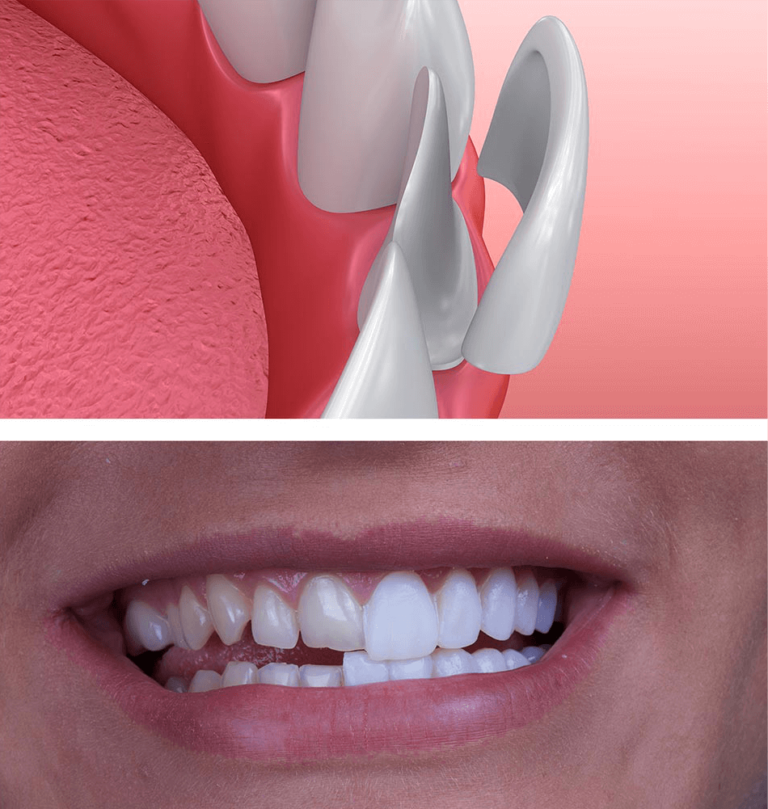
Veneers are thin layers of material, most commonly ceramic or composite, which are applied to the surface of the teeth to improve the aesthetics of the smile. They are used to correct various imperfections, such as stained, chipped, or misshapen teeth, or unaesthetic gaps between teeth. The veneer application procedure is minimally invasive, requiring only the removal of a small amount of enamel from the tooth surface.
After the tooth is prepared, the veneers are fixed with a special adhesive, ensuring durable adhesion. eMax ceramic veneers are among the most popular due to their perfect combination of strength and aesthetics. These veneers have a strength of 360-400 MPa, excellently imitating the natural tooth and offering a wide range of colors and levels of translucency.
Advantages of eMax ceramic veneers:
Crowns are dental restorations that completely cover or encase a damaged or decayed tooth. They are used to restore the shape, size, strength, and appearance of the tooth.
Doctor White Clinic makes crowns from various materials, such as metal-ceramic, ceramic (eMax), zirconia (ZrO2)
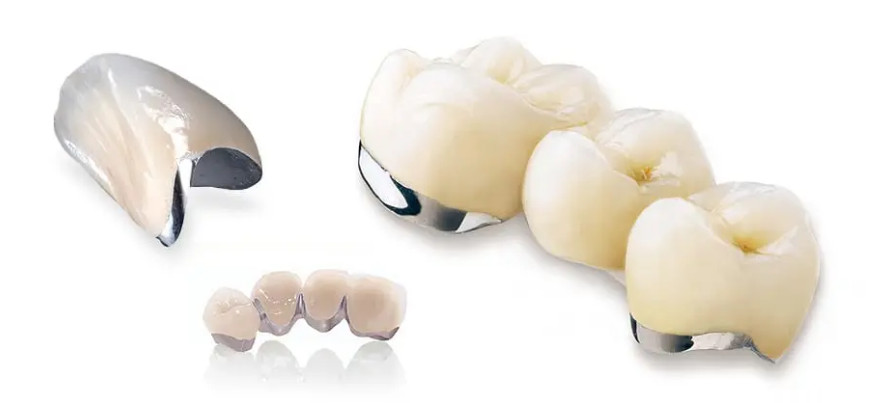
This type of dental crown has a metal structure, to which a layer of ceramic is subsequently added for an appearance close to the natural tooth.
The metal structure is thin, hard, and fits perfectly onto the impression of the prepared tooth. It is made of a metal alloy compatible with dental ceramics. The applied ceramic layer is usually 1.5mm – 2 mm and strong enough to withstand the forces produced during chewing.
eMax crowns are made entirely of ceramic, with no metal support. This type of dental restoration is preferred due to its natural appearance and its ability to perfectly mimic natural teeth. The ceramic used in eMax crowns is highly resistant and offers a translucency similar to that of natural teeth, making them ideal for aesthetic restorations, especially in the front area of the dental arch. In addition, eMax crowns are biocompatible, meaning they are well tolerated by gum tissue and do not cause allergic reactions.
The main material used in manufacturing eMax crowns is lithium disilicate, a type of ceramic known for its strength and durability. Lithium disilicate is an advanced material that offers a unique combination of aesthetics and functionality. It is highly resistant to fractures and wear, making it ideal for dental crowns. In addition, lithium disilicate has a natural translucency, which allows eMax crowns to blend perfectly with natural teeth, providing an outstanding aesthetic appearance.
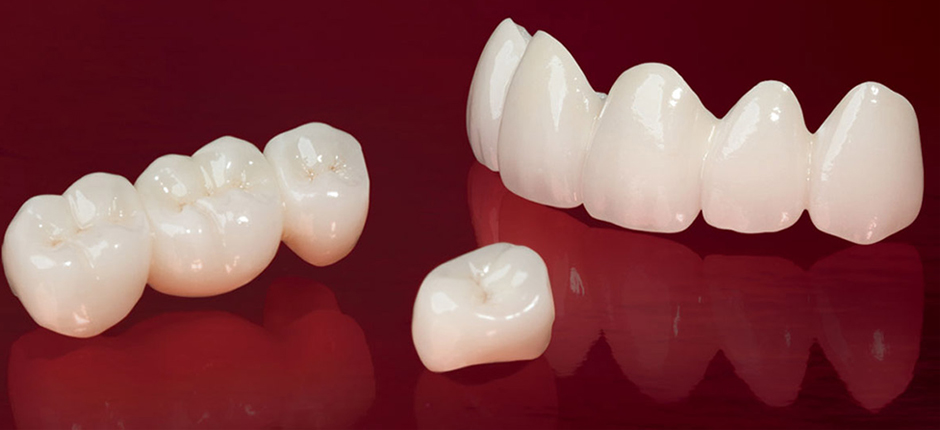
The zirconia dental crown has become very popular in recent years for good reasons: a high degree of resistance and an appearance close to that of natural teeth. It is made of zirconium oxide, a material that brings many benefits for a dental crown: natural white color, with an appearance close to that of teeth; high hardness; high fracture resistance; lack of corrosion reaction (it does not react with the moist environment of the oral cavity – NO gray line forms at the junction between the crown and the gum); lack of thermal conductivity (no sensitivity to hot or cold occurs);
In addition, zirconia is a biocompatible material, very well tolerated by the human body, with no allergic reactions. Another particularity of zirconia dental crowns is the limitation of bacterial buildup, even in patients who are prone to developing a larger amount of bacterial plaque and tartar.
Among all types of dental crowns, zirconia ones are the most resistant, with a very good lifespan. They tolerate large chewing forces excellently and have the lowest risk of fracture. Thus, zirconia crowns are recommended for the front teeth, but especially for molars and premolars, where the chewing force is stronger (and there is a greater chance that a regular crown will fracture).
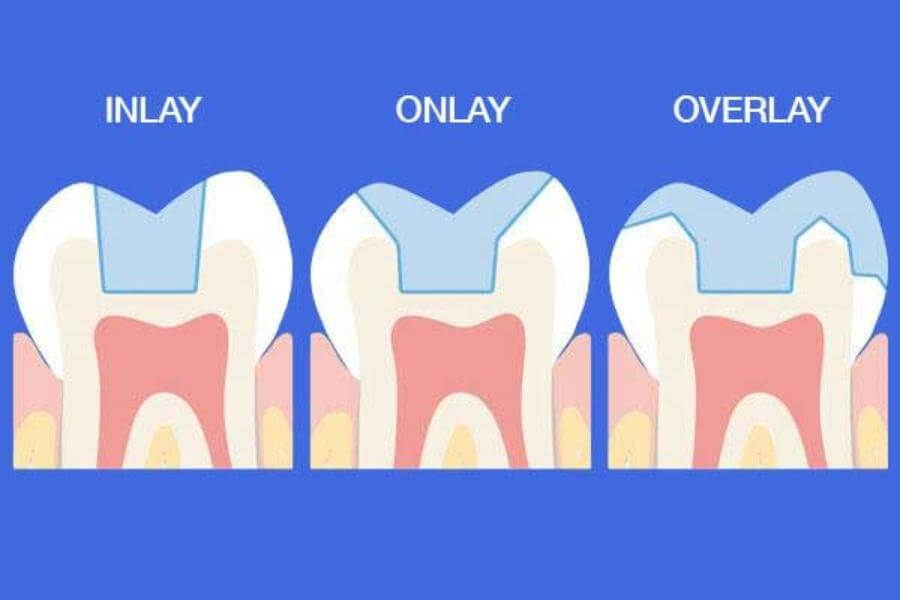
Inlays are indirect restorations made in a laboratory, used to repair teeth that have suffered moderate to severe damage.
When the surface of the teeth, especially premolars and molars, is damaged for various reasons (wear, decay, incidents, etc.), the specialist may recommend the application of a dental inlay. In practical terms, the purpose of dental inlays is the functional restoration of the affected tooth. Therefore, dental inlays are produced using durable materials, which are shaped (by casting) according to the size of the tooth and the space to be restored. They are also shaped so as to mimic the natural surface of the treated tooth and not exceed the edges of its crown.
The difference between the 3 types of inlays consists in the tooth surface they cover, and consequently in the extent of the restoration.
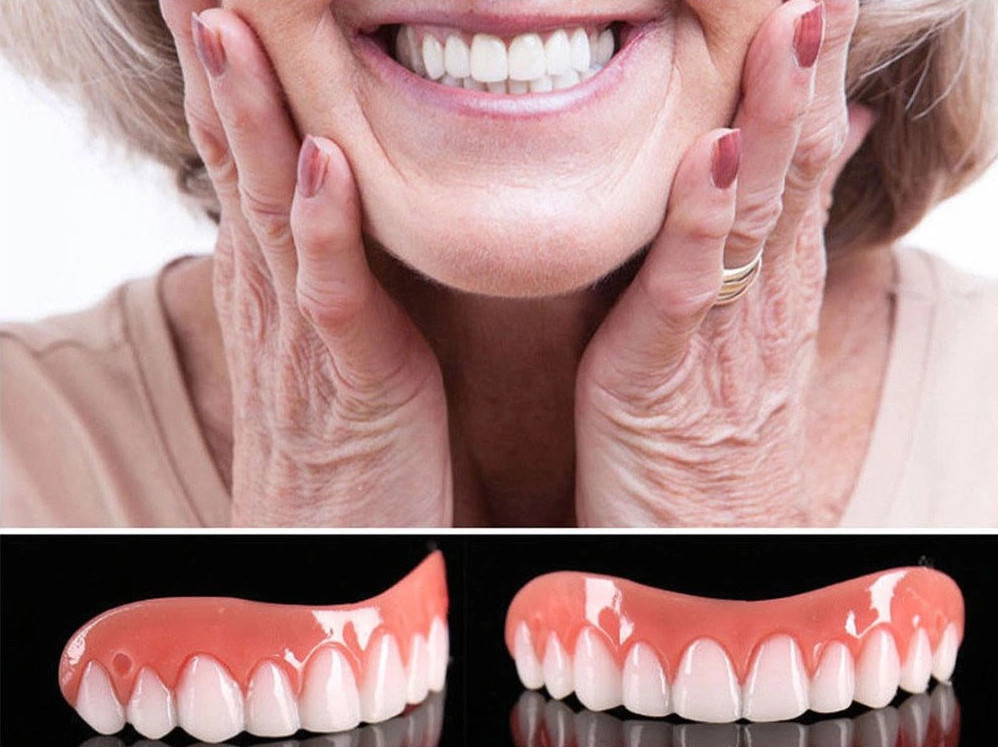
A dental prosthesis is a rigid structure designed to successfully replace the spaces inside the mouth where teeth are missing.
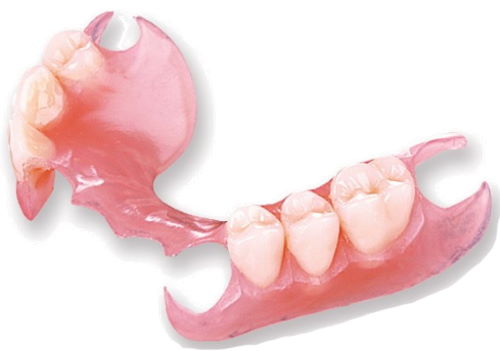
This type of denture is recommended if you still have teeth remaining in your mouth. This type of denture can successfully replace one or more teeth, providing relatively good stability in the mouth. For proper care, the partial denture should be removed after each meal and cleaned of food debris. After thorough cleaning, it should be placed back in the mouth. The partial denture is an economical and practical method of restoring missing teeth.
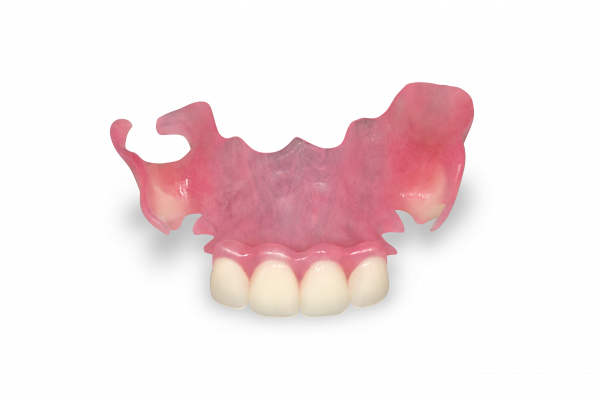
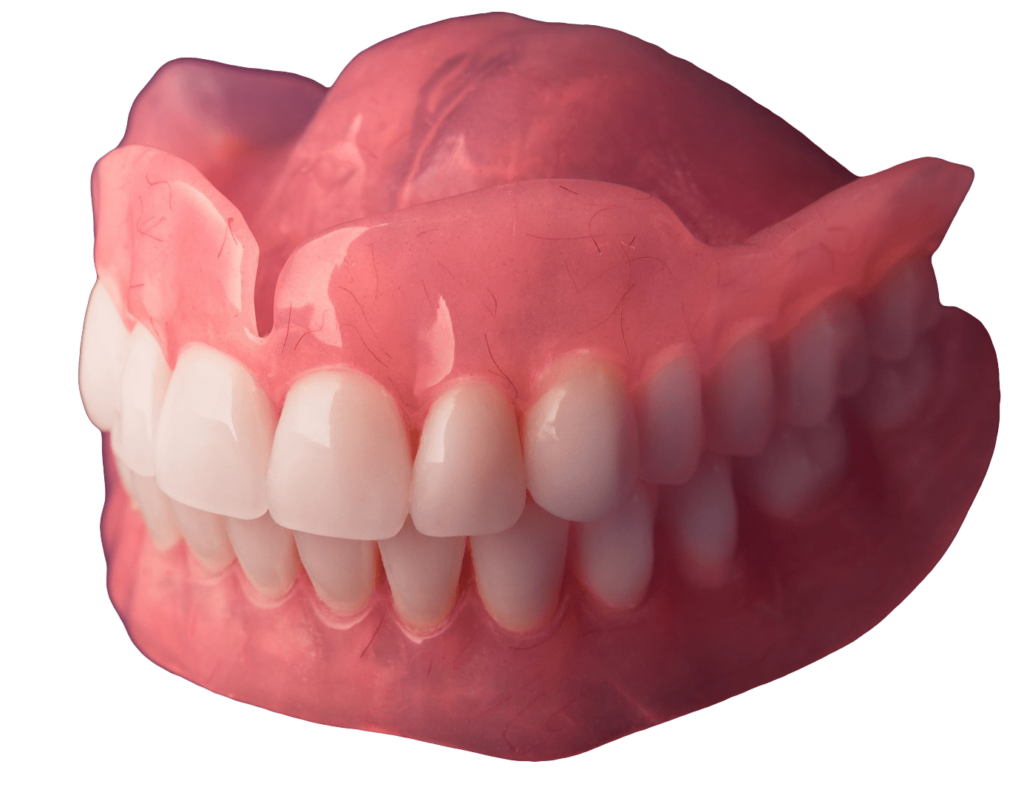
Unlike the partial denture, the full denture is designed to completely replace a row of teeth, either on the maxilla (lower part) or on the mandible (upper part). It can restore up to 95% of the mouth’s aesthetics and successfully restores the ability to eat, speak and smile without any problems. The full denture is also a relatively inexpensive method of restoring teeth, and is preferred by most people in such a situation.
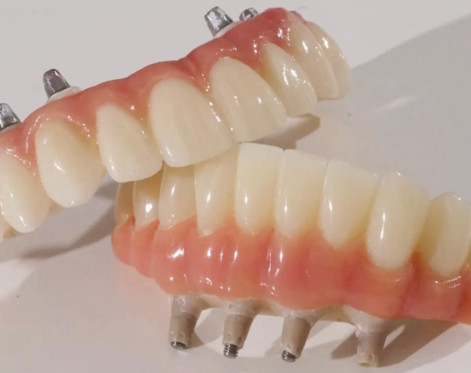
This type of denture is among the best options because it can be very well anchored inside the oral cavity. Thus, it will rest on dental implants, which in turn are placed in the spaces where natural teeth are missing. An implant-supported denture is recommended when bone resorption has also occurred (vertical loss of bone structure inside the oral cavity). Of course, this type of denture also benefits from an artificially made gum that is perfectly adapted both biologically and aesthetically. The result of an implant-supported denture can be a solution as close as possible to the appearance of natural teeth.
The veneer application procedure usually takes two dental visits. At the first visit, the teeth are prepared and impressions are taken, and at the second visit (after 7-10 days) the custom veneers are applied.
With proper care, eMax veneers can last between 10 and 20 years or even longer. Their durability depends on oral hygiene, dietary habits, and regular maintenance.
Yes, to apply veneers, a small part of the tooth enamel must be removed to create space for the veneer. This process is minimally invasive and painless.
The process of applying veneers is minimally invasive and not painful. If tooth shaving is necessary, it is usually done under local anesthesia to ensure patient comfort.
eMax veneers are highly resistant to staining, being made from a ceramic material that does not absorb pigments from food or drinks. However, proper oral hygiene is essential to keep the veneers in perfect condition.
eMax veneers do not require special maintenance, but it is important to maintain daily oral hygiene, including brushing and flossing. Regular dentist visits for professional cleanings and check-ups are also essential for maintaining overall oral health.
Yes, if necessary, eMax veneers can be replaced. If a veneer becomes damaged or the underlying teeth undergo changes, the dentist can make a new veneer to replace the old one.
A dental crown is needed when a tooth is severely damaged by decay or fractures, after root canal treatment, or when covering a dental implant is desired.
Our clinic makes crowns from various materials, such as eMax ceramics, zirconia, and metal-ceramics.
A dental crown can last between 10 and 15 years or even longer, depending on the material, oral hygiene, and the patient's habits.
Yes, crowns made from aesthetic materials such as porcelain or zirconia can be matched to mimic the color and appearance of natural teeth, providing a very aesthetic result.
The procedure for applying crowns usually takes two visits to the dentist. At the first visit, the teeth are prepared and impressions are taken, and at the second visit (after 7-10 days), the custom crowns are applied.
A complete denture is used for patients who have lost all their teeth on one or both dental arches. A partial denture is used when only a few teeth are missing, and it rests on the remaining natural teeth.
Modern dentures are designed to be as comfortable as possible, but they may require an adjustment period. Initially, some discomfort may occur, but over time most patients get used to them.
Dentures must be cleaned daily to prevent the buildup of bacterial plaque and to maintain gum health. It is important to keep them in water or in a special solution when they are not worn.
A dental prosthesis can last between 5 and 10 years, but over time it may require adjustments or replacement due to natural changes in the gums and bones.